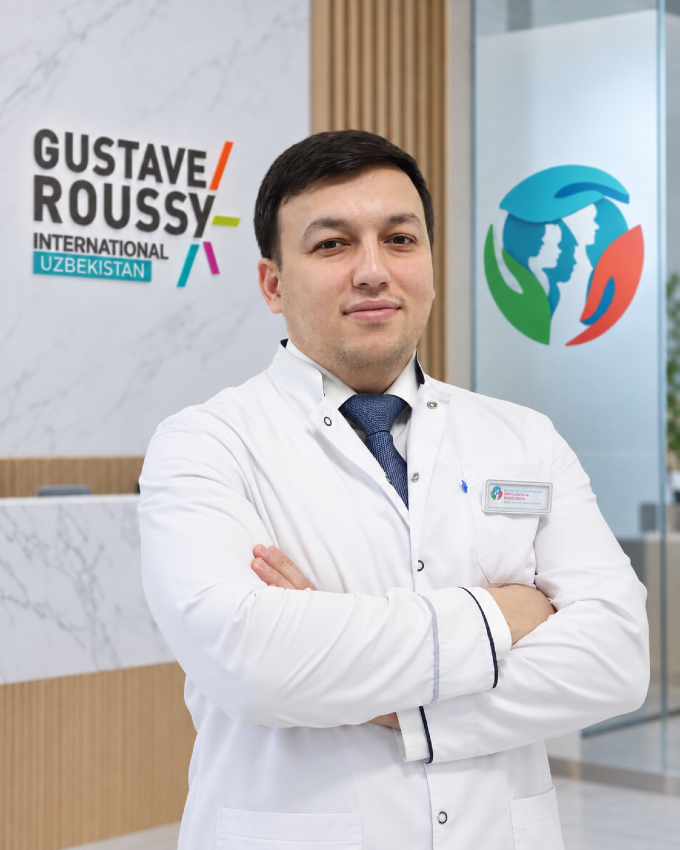


















The Surgical Oncology Department provides specialist surgical assessment and treatment for patients with cancer where an operation forms part of the care plan. Surgery may be performed to remove a tumour, to reduce the volume of disease before or after other treatments, to relieve complications, or for diagnostic purposes such as biopsy.
What the department does
Surgical oncologists evaluate each case within the multidisciplinary team, reviewing the diagnosis, staging, imaging, and pathology findings together with colleagues from medical oncology, radiation oncology, and other specialties. On the basis of that review, the team agrees whether surgery is indicated, which surgical approach is most appropriate, and how it fits into the wider treatment sequence. The department carries out oncological operations across a range of organ sites and tumour types.
Conditions and surgical specialties
The department covers surgical oncology for tumours of the gastrointestinal tract (including colorectal and hepatopancreatobiliary surgery), the thorax, breast, soft tissues, endocrine system, and other sites. The specific procedures available are determined by the clinical team based on the individual patient's situation.
Clinical approach
Every surgical decision is made with input from the full multidisciplinary team. Pre-operative planning is thorough: patients undergo the investigations and assessments needed to ensure they are as well prepared as possible for surgery and anaesthesia. Post-operative care, wound management, and early rehabilitation are coordinated by the department in collaboration with nursing and supportive care teams.
What patients can expect
At your surgical oncology consultation, the surgeon will review your diagnosis and the available investigations, explain what operation is being considered, outline its goals, benefits, and risks, and answer your questions. You will receive detailed pre-operative instructions covering any preparatory tests, dietary guidance, medication adjustments, and what to bring on the day. Recovery support and the plan for any additional treatment following surgery will also be discussed. Bring an identity document, referral, all imaging and pathology reports, and a list of current medicines.