
















Departments
Radiation Oncology
Radiotherapy services, treatment planning, patient preparation, and safety information.
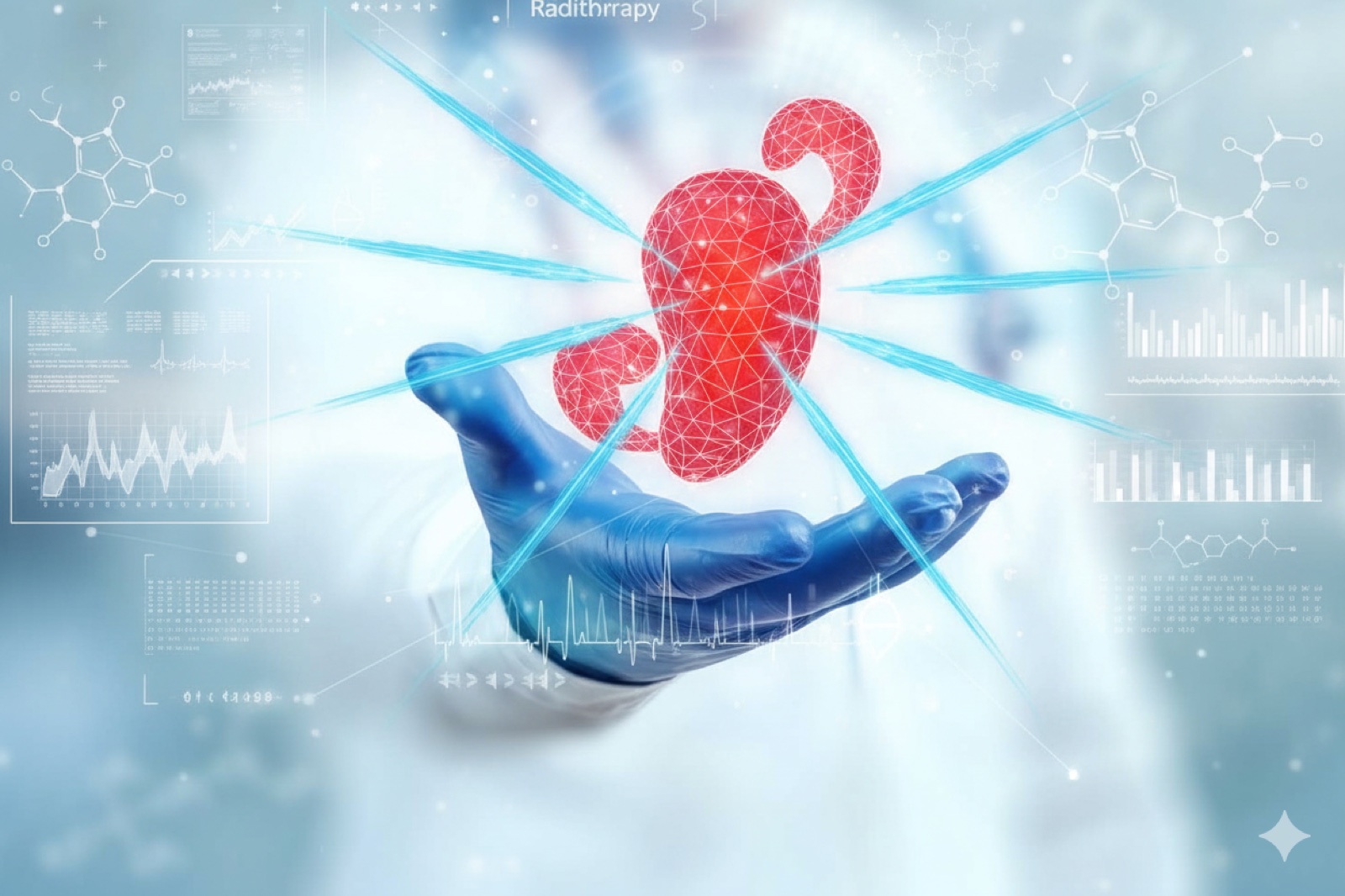
The Radiation Oncology Department plans and delivers radiotherapy as part of the cancer treatment pathway. Radiotherapy uses carefully targeted radiation to destroy or damage cancer cells while aiming to spare the surrounding healthy tissues as much as possible. It may be the primary treatment, used to reduce the risk of recurrence after surgery, combined with drug therapy to enhance its effect, or given to manage symptoms.
What the department does
The radiation oncology team — comprising radiation oncologists, medical physicists, and radiotherapy technicians — works together to design and deliver individualised treatment plans. The process begins with a detailed planning session using imaging to define precisely the area to be treated and the surrounding structures to be protected. A treatment plan is then calculated, reviewed for accuracy, and approved before the first session begins. Patients typically attend for a series of treatment sessions over a defined course.
Conditions treated
Radiotherapy is used across many cancer types, including tumours of the head and neck, lung, breast, prostate, cervix and uterus, rectum, and brain, among others. It is also used in palliative settings to relieve pain or other symptoms caused by tumours. The suitability of radiotherapy for a specific situation is determined by the treating team following multidisciplinary review.
Clinical approach
Treatment is planned to the highest achievable precision given the clinical situation. The team follows internationally accepted protocols and reviews each plan carefully before treatment begins. Patients are monitored throughout the course of treatment, and the team is available to address any side effects or concerns as they arise. Follow-up imaging and assessment are arranged after treatment ends to evaluate response.
What patients can expect
At the initial consultation, the radiation oncologist discusses whether radiotherapy is appropriate for your situation, what it involves, how many sessions are planned, and possible side effects depending on the area being treated. You will then attend a planning appointment before treatment begins. Each treatment session is usually short. During your treatment course, you will have regular reviews with the team. Bring an identity document, referral, all relevant imaging, and pathology reports to your first appointment.
Departments in this area
33 places
The centre’s approved departments, with the floor each is on.
4th floor
33 places
- Radiation Oncology and Radiosurgery Department 33