

















Departments
Pathology and Laboratory
Laboratory diagnostics and pathology services supporting accurate cancer diagnosis.
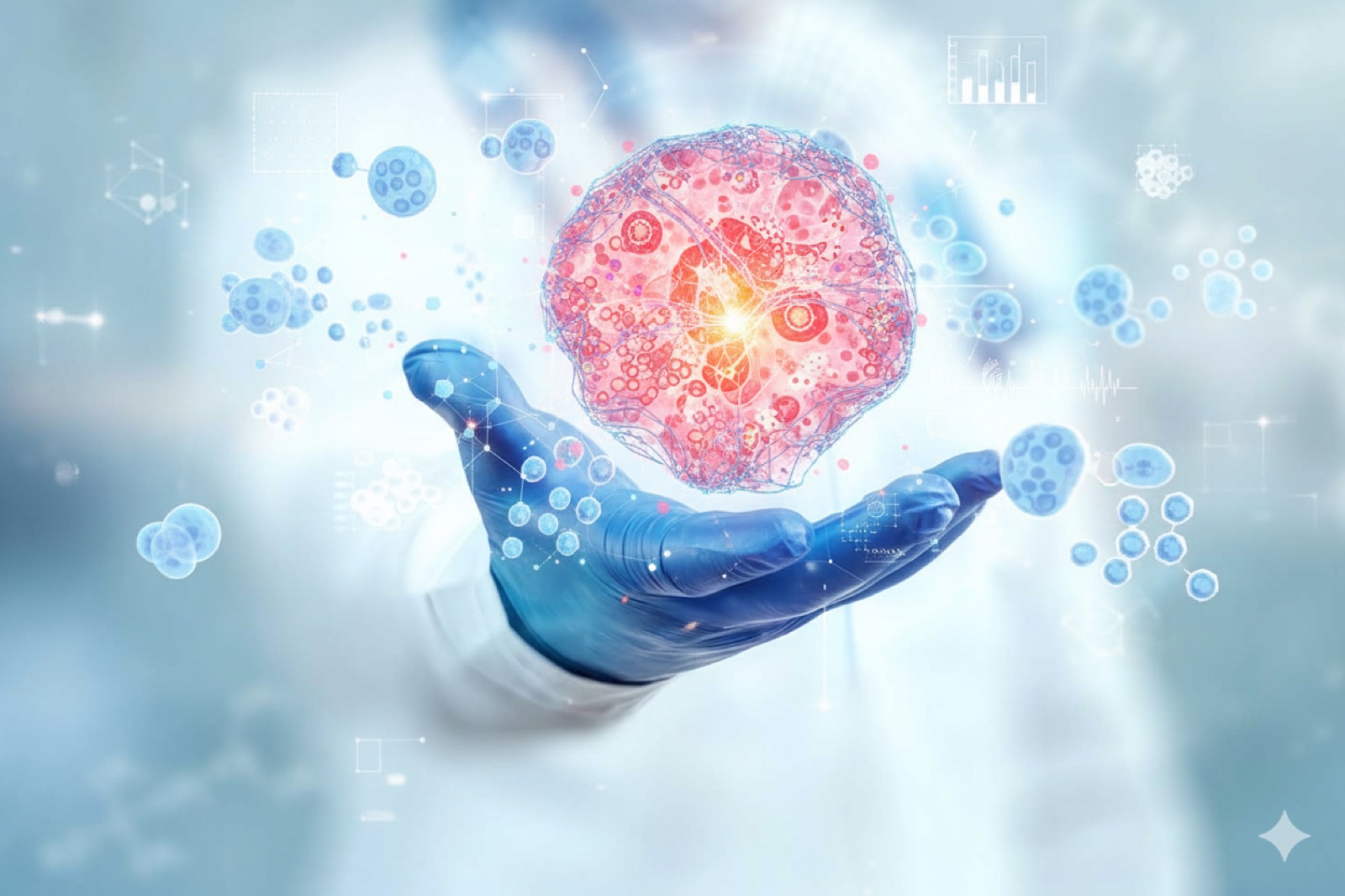
The Pathology and Laboratory Department provides the diagnostic information that underpins cancer diagnosis and treatment decisions at the center. Pathology confirms the type and characteristics of a cancer at the cellular and molecular level, while the laboratory carries out the range of blood and other analyses needed throughout a patient's care.
What the department does
Pathologists examine tissue samples obtained by biopsy or surgery to confirm the presence of cancer, identify its type, grade, and key molecular characteristics, and determine whether surgical margins are clear. These findings directly determine the treatment options that are discussed by the multidisciplinary team. The laboratory simultaneously performs the blood analyses, biochemistry, and other tests that support initial diagnosis, treatment safety monitoring, and follow-up.
Why pathology is central to cancer care
A confirmed histopathological or cytopathological diagnosis is usually required before systemic treatment or surgery is recommended. In addition, molecular and immunohistochemical testing of tumour tissue helps identify whether specific targeted therapies or immunotherapy are likely to benefit a patient — an area that is increasingly important across many cancer types. Results from the laboratory allow the treating team to monitor how the body is tolerating treatment and to adjust plans accordingly.
Clinical approach
Samples are processed and reviewed according to established protocols. Where cases are complex or unusual, findings are discussed at multidisciplinary tumour board meetings. The department works closely with clinical colleagues to ensure that results are interpreted in the context of each patient's full clinical picture. Where a second opinion on a pathology result is required — for example for a patient coming from another center — this can be arranged through the treating team.
What patients can expect
Most patients interact with the laboratory through blood draw appointments, which are straightforward and brief. Tissue samples are usually collected by another clinical team during a biopsy or procedure; the pathology department then processes the sample and prepares a report for the treating specialist. If you have pathology reports from a previous center, bring the original documents and slides if available, as external review can provide important information for your care. All results are discussed with you by your treating doctor.
Doctors
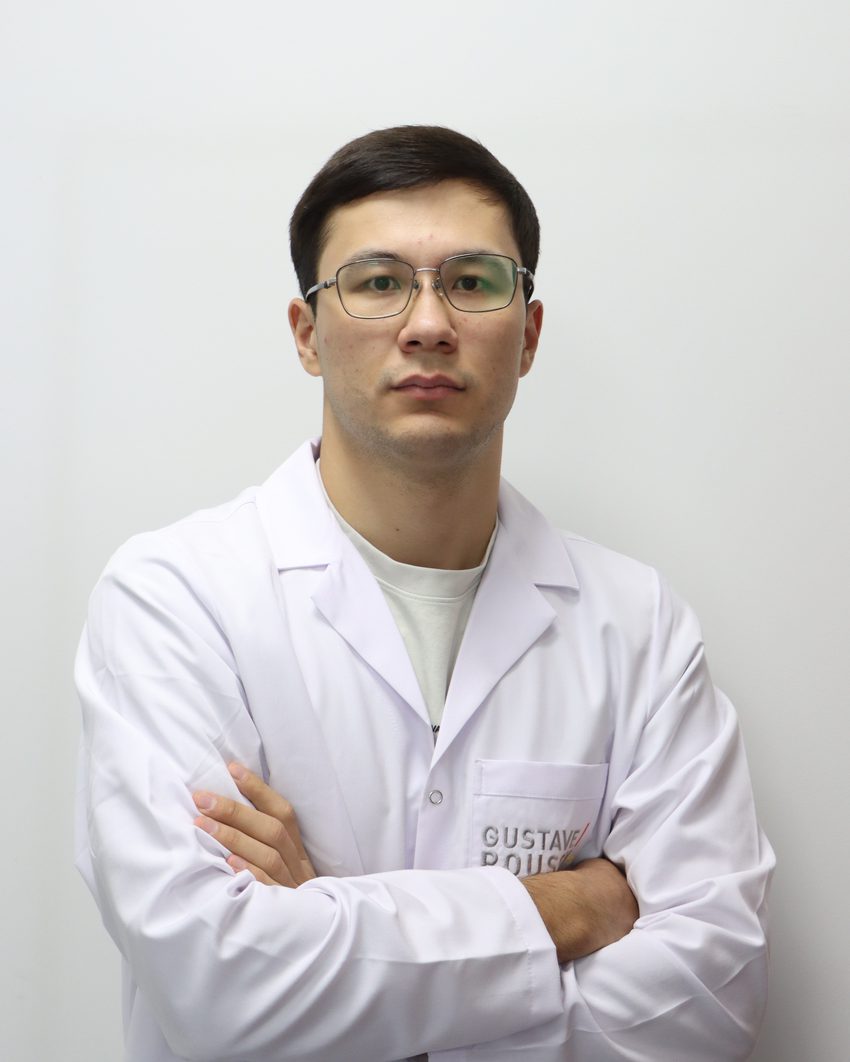
Xidirov Sarvarbek Baxtiyor o’g’li
Laboratory Physician
Nuriddinova Shahlo Fazliddinovna
Laboratory Physician
Abdullaev Adxamjon Odilovich
Molecular Geneticist
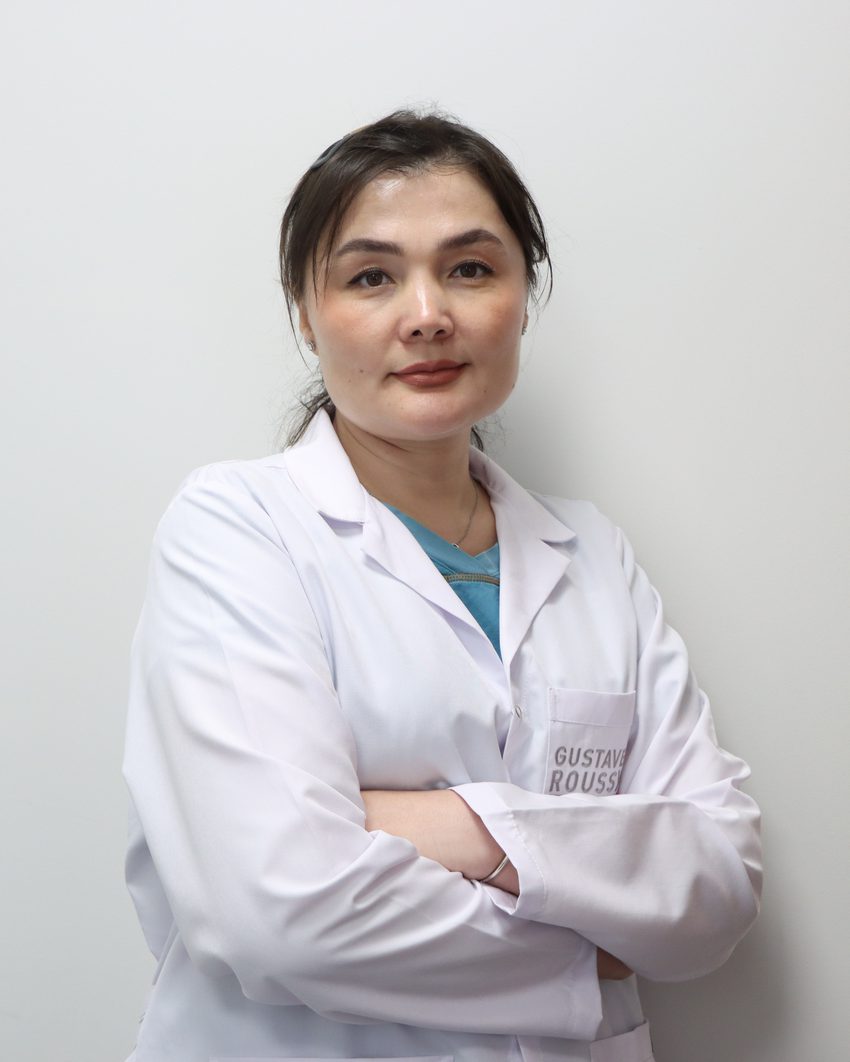
Xolmuratova Oygul Abdumalikovna
Laboratory Physician